Mindswap is a decentralized exchange project associated with the Fantom ecosystem and the MIND token. It arrived during the 2021 rush of Fantom-native DeFi applications, promising token swaps, liquidity pools, and yield incentives without a conventional exchange account. That positioning still explains what it is best understood as: a small-chain DEX, not a broad consumer crypto exchange. Anyone approaching it as a direct rival to Coinbase, Kraken, or even Uniswap is starting from the wrong premise.
Its appeal was straightforward in the period when Fantom activity was lively. Wallet-based access is quick, there is no normal registration form, and users can trade compatible on-chain assets directly from a self-custodied wallet. For a Fantom user who already understands gas fees, approvals, slippage, and liquidity-pool risk, that feels efficient. For somebody buying their first crypto asset or trying to move fiat into the market, it is a poor fit. Mindswap never solved the onboarding problem that established centralized exchanges solve well.
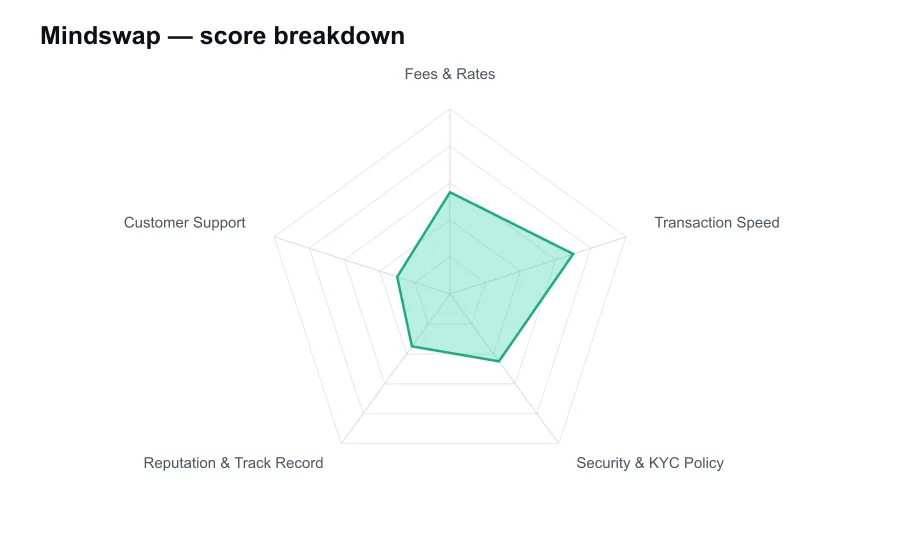
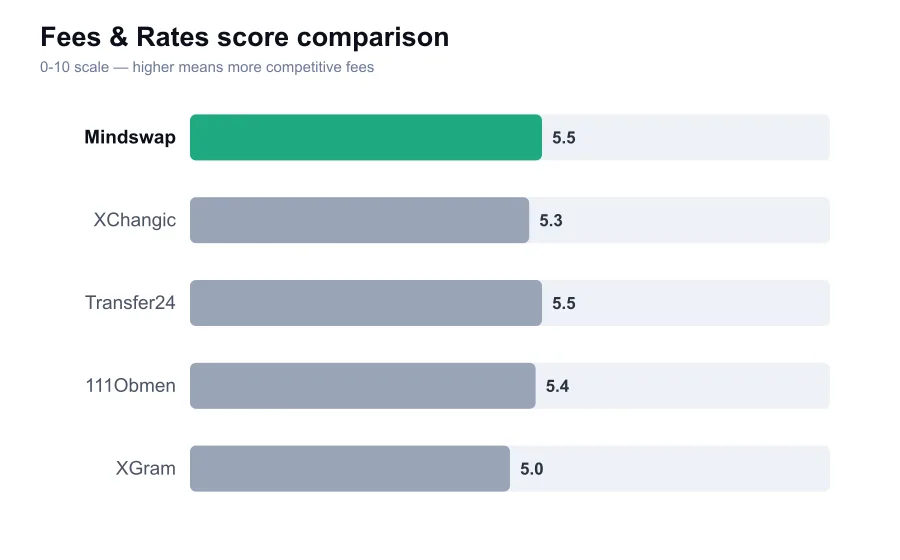
The fee story has to be read through the DEX model rather than a published retail price list. A user faces the protocol's swap fee, the underlying network gas charge, price impact from the pool, and possible wallet or bridge costs before funds even reach the application. That is far less tidy than a fixed-rate instant exchanger. A small swap in a liquid pool can be inexpensive, but a thin pair may cost much more than the visible percentage suggests.
That distinction matters because users regularly mistake low gas fees for low trading costs. Fantom transactions have historically been inexpensive compared with Ethereum mainnet, which was one of the chain's strongest selling points. But cheap execution does not fix shallow liquidity. If a pool has limited reserves, a moderately sized swap can move the quoted price materially. The interface may show a reasonable fee while the trader loses more through price impact than through the fee itself.
Mindswap's incentives and farming structure were also a double-edged feature. Liquidity mining can make a pool look attractive because token rewards raise the displayed yield. Yet those rewards usually arrive in a volatile project token, and the advertised annual rate can collapse when token prices fall or liquidity rushes in. That is standard DeFi risk, but it was especially relevant to smaller Fantom projects whose reward tokens did not have deep outside markets. Yield is not income if exiting the reward token meaningfully damages the price.
Speed is one of Mindswap's better qualities, provided the connected wallet, RPC endpoint, and Fantom network are functioning normally. A swap is an on-chain transaction, so the exchange cannot simply mark it complete internally as a centralized platform might. Finality depends on network conditions and wallet confirmation. In ordinary conditions, the user experience can feel near-instant compared with Bitcoin settlement or bank-funded trading. During congestion, a weak RPC connection, or a failed approval, it quickly becomes technical and frustrating.
There is also no customer-service team that can reverse a transaction sent to the wrong address or unwind a bad trade after confirmation. That is not a minor caveat. It is the core bargain of permissionless trading. Mindswap does not hold a user balance in the same way a custodial exchange does, which removes a familiar counterparty risk, but it transfers operational responsibility to the user. A mistaken token approval, an imitation site, or a malicious wallet connection can be much harder to remedy than an account issue at a regulated exchange.
The security question therefore begins with smart-contract risk. A decentralized interface can look polished while the contracts underneath contain a vulnerability, privileged administrative controls, or liquidity risks that the ordinary trader cannot evaluate. Public code, audits, and community review can help, but they do not turn a smaller protocol into a risk-free venue. I would not treat a past audit, if one is available for a particular contract version, as a permanent security certificate. Contracts, front ends, pools, and integrations change.
Mindswap's lack of standard KYC is likely attractive to privacy-minded DeFi users. Connecting a wallet does not normally require an identity document, and the protocol cannot apply the same account-level checks as a centralized venue. The trade-off is that users receive none of the protections associated with a verified account, card-chargeback process, or formal complaints channel. It also means availability depends partly on wallet providers, RPC services, token issuers, and the user's local legal obligations, not simply on a Mindswap sign-up screen.
Reputation is where Mindswap struggles most. It had visibility in Fantom's earlier DeFi cycle, but it does not carry the continuing recognition, deep liquidity, or independent operating record of major decentralized exchanges such as Uniswap, Curve, or Sushi. Small-chain protocols can remain technically online while becoming commercially dormant. Those are very different things. Before depositing funds, I would inspect current pool liquidity, recent transaction activity, social channels, contract addresses, and whether the project is still communicating through channels it controls.
The MIND token adds another layer of caution. Governance and reward tokens frequently become a proxy for confidence in the protocol, though they can also be driven by incentives and speculation rather than real usage. A trader does not need to buy MIND merely to understand the exchange, and I would resist any suggestion that holding the token somehow makes a swap safer. Token ownership can carry governance rights or reward utility, but it also exposes the holder to the financial health of a small project.
Support is not comparable to a staffed exchange help desk. A Mindswap user is more likely to rely on documentation, community messages, wallet support, block explorers, and the underlying chain's technical resources. That is workable for experienced DeFi users who can inspect a transaction hash and distinguish a failed transaction from a pending one. It is a rough experience for someone who expects live chat to explain why a token has not appeared in a wallet.
The practical question is not whether Mindswap can execute a swap. It can, assuming the relevant pools and contracts remain usable. The question is whether the particular trade has enough liquidity and whether the user has a clear reason to use this protocol instead of a better-established option. For common Fantom assets, compare the quoted execution price against larger DEX aggregators before confirming. The best visible rate is less useful if the route relies on thin pools or obscure wrapped assets.
My view is blunt. Mindswap is a niche DeFi tool for technically capable Fantom users, not a platform I would recommend as a primary trading venue or long-term home for meaningful funds. Its wallet-first structure and potentially fast execution are real advantages, but they do not outweigh the concerns created by limited public visibility and the normal smart-contract and liquidity risks of a smaller protocol. Use it only with a wallet you control, a transaction size you can afford to lose, and a careful check of the exact contract and route.